Faith Over Fear Typography: A Designer’s Honest Take
As an embroidery designer and product reviewer with years of hands-on experience, I’ve seen countless typography designs come and go. Some are visually appealing but fall flat in stitch form, while others work well on paper but struggle with fabric compatibility or customer appeal. Faith over Fear Typography is one of those rare designs that manages to balance aesthetic charm with practical usability — but not without a few important considerations.
First Impressions: Mood and Visual Personality
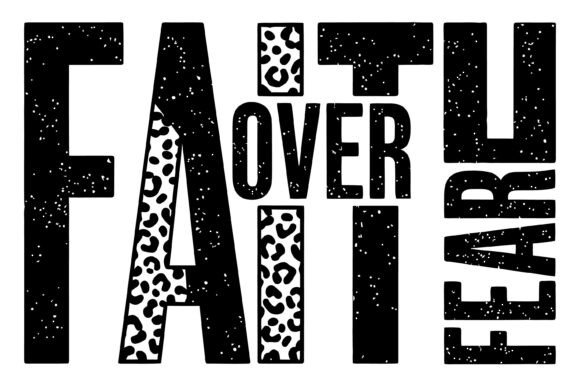
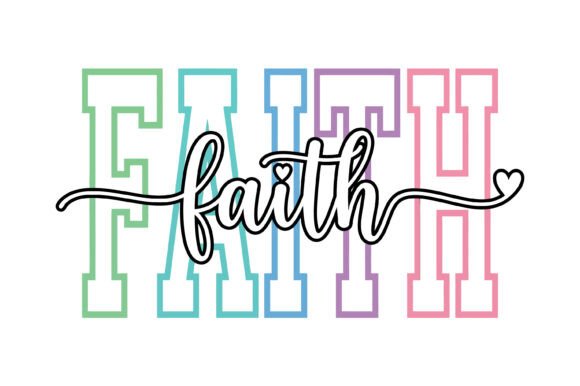
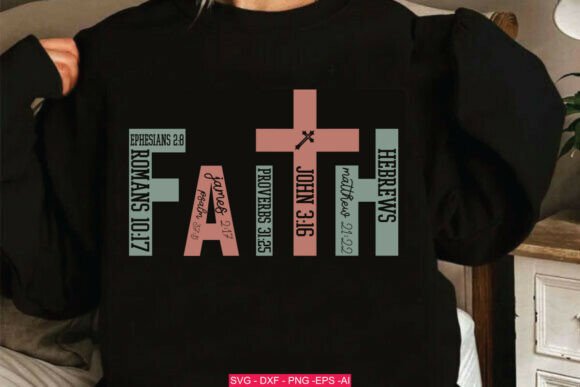
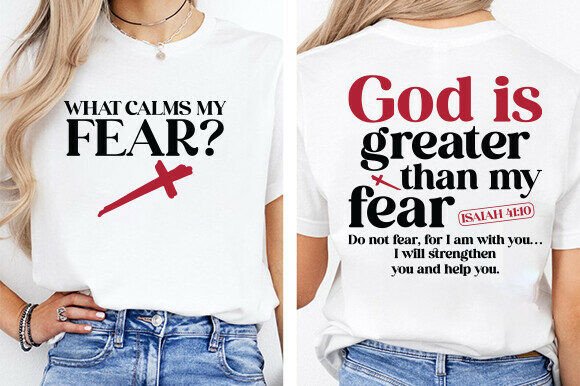
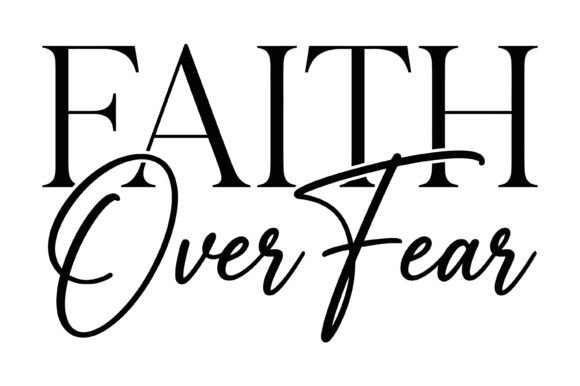
The first thing that struck me about Faith over Fear Typography was its emotional tone. It carries a calm, uplifting message wrapped in a clean and modern layout. The font style isn’t overly ornate, which makes it versatile for a wide range of projects. The letters are spaced thoughtfully, and the overall composition feels intentional rather than cluttered. This design naturally fits into the category of T-Shirt Designs, particularly within the Graphics sub-type, where typography often speaks louder than imagery.
What stands out most is how the phrase "Faith over Fear" is arranged. The word “Faith” appears slightly larger and more prominent than “Fear,” creating a visual hierarchy that supports the sentiment behind the message. This subtle emphasis could be just the right touch for products like custom sweatshirts, tote bags, or even nursery decor. It gives the design a sense of purpose, making it ideal for handmade products or personalized gifts that aim to inspire or comfort.
Real-Life Application: Where It Works Best
I recently tested this design for a client project involving embroidered sweatshirts and tote bags. Both turned out beautifully when stitched onto medium-weight cotton blends using standard thread colors. The satin stitch outlines held up well, and the fill stitch used in the negative space between letters gave it depth without being too dense.
For custom apparel, especially in soft pastel shades, this design added a refined yet bold statement. On tote bags, the large format worked perfectly, allowing the message to be read at a glance from across the room — a key factor for visibility and impact. I also tried it as an embroidered patch on denim jackets, and it retained its clarity and legibility despite being scaled down.
Another great use case came up during a holiday gift order. I applied the design to aprons and pillow covers, and it elevated the look of each item significantly. The text didn’t feel cramped, and the overall finish looked professional enough for boutique-style small shop products.
When to Proceed with Caution
While Faith over Fear Typography is a solid choice for many projects, there are a few scenarios where you’ll want to test before committing:
- Small hoop sizes: The detail level of the lettering might get lost if you try to fit it into a tight space. If you're working with smaller items like baby clothes or patches, consider simplifying or adjusting the layout.
- Textured fabrics: Stitch density can affect how well the design holds up on materials like flannel or canvas. These surfaces may require extra stabilizer or adjustments to stitch density to avoid distortion.
- Thin or stretchy fabric: Delicate materials can cause the edges of the satin stitches to pull or fray. Always preview on similar fabric before mass production.
- Dark backgrounds: While the digital embroidery file includes options for thread color contrast, dark-colored garments might need bolder choices to ensure readability after stitching.
- Curved surfaces: When using the design on caps or curved areas, slight warping or stretching can occur. Test positioning carefully to maintain alignment and shape integrity.
- Dense stitch areas: The design uses fill stitches in some parts. If your machine struggles with high-density stitching, these areas might pucker or misbehave on delicate materials.
A Note on Fabric Texture and Thread Choices
This design works best on smooth, stable fabrics like cotton, polyester blends, or quilting cotton. I noticed that on thin linen or jersey knits, the stabilizer had to be heavier to prevent shifting. Also, keep an eye on thread colors. The default settings might not always provide the best contrast depending on your garment base. Testing with different thread combinations can enhance the final look and make your finished product stand out.
Design Impact: What Customers Notice
One of the biggest advantages of Faith over Fear Typography is its emotional resonance. People respond to positive, empowering messages, especially when they’re presented in a clear and stylish way. As an embroidery project, it doesn’t shout; it invites conversation. Whether it's a holiday gift or part of a craft business collection, customers tend to gravitate toward designs that tell a story or align with their values.
In my experience, this design adds a layer of professionalism to handmade products. It looks intentional, not slapped on for effect. For Etsy sellers and small shop owners, that kind of presentation can boost buyer engagement and trust in your brand’s quality.
Brand Consistency and Giftability
If you're building a line of Christian-themed or motivational design assets, this typography fits right in. It complements other religious or inspirational phrases well and can be part of a cohesive collection. The neutral, elegant style ensures it won’t clash with minimalist branding or vintage aesthetics.
Its giftability is another strong point. I've seen it resonate on personalized tea towels, nursery decor, and even blanket embroidery. For commercial embroidery clients who want something meaningful yet stylish, this is a safe bet.
Practical Embroidery Tips for Using Faith over Fear Typography
Before diving into a full production run or adding it to your printable mockups, here are some steps I recommend taking:
- Test on scrap fabric: Especially if you're planning to use it on textured or stretchy materials. This helps identify any potential puckering or misalignment issues.
- Check thread color contrast: Use the PNG transparent and JPEG files to simulate how the design will appear on both light and dark bases.
- Review stitch density: Look at the SVG and EPS editable versions to see if the fill areas are manageable for your machine and material.
- Confirm hoop size: Make sure the dimensions of your hoop accommodate the full design without forcing scaling that distorts the layout.
- Inspect small details: Even though the design is simple, tiny elements like serifs or connecting lines can disappear on certain fabrics if not checked closely.
- Use black and white mockups: This helps determine if the design remains readable and visually balanced when printed or digitized for digital previews.
- Consider licensing: If you're planning to sell finished items or digital embroidery files, confirm whether the license allows commercial use. That information isn't included in the provided content, so always double-check before going to market.
Stitch Clarity and Product Value
From a technical standpoint, the machine embroidery design handles well in most digitizing software. The clean lines and moderate stitch count (assuming it’s within normal parameters) mean it should run smoothly through most home and studio machines. However, if you're working with a budget-friendly machine, be prepared to slow things down a bit for the denser areas.
Visually, the design enhances the product value by offering a premium look. It’s not too loud, but it commands attention. As a result, it can justify a higher price point for handmade shop owners or creative entrepreneurs looking to add meaning to their offerings.
Final Thoughts: A Thoughtful Design for Real Projects
Faith over Fear Typography is a design that knows its audience. It’s suitable for faith-based or spiritual embroidery projects, and it has the adaptability to work across a variety of formats and products. But as with any embroidery graphics, context matters. You’ll want to tailor its use based on fabric type, hoop size, and intended application.
Overall, this is a reliable addition to your design contents library. It brings motivation and hope to tangible products, making it a strong contender for personalized gifts, small shop merchandise, and even commercial design assets. Just remember to approach it with the same care and consideration you would any other typography embroidery file — and your customers will thank you for it.