Faith Floral Embroidery Design: A Real Project Review
Real-World Application Scenarios
Custom Apparel: On a cotton sweatshirt, Faith Floral stitched cleanly with good coverage using satin and fill stitches. The floral elements retained their shape even after washing, which is reassuring for any Etsy seller or small shop owner looking to offer durable, wearable art.
Tote Bag Embroidery: Placed near the top corner of a canvas tote, the design became a subtle focal point. It added enough detail to elevate the product without overwhelming the fabric’s natural texture. For tote bag designs that aim to be both functional and fashionable, this is a solid choice.
Baby Items: When used on a muslin baby blanket, the design felt warm and inviting. The colors were soft, blending nicely with pastel threads. However, I did notice that the fine lines required a bit more attention during stitching—especially if you're aiming for a professional finish for resale or gifting.
Patches and Decorative Accents: I tried creating an embroidered patch from the design and was impressed by how the layers of stitching gave it dimension. It would work beautifully as a decorative accent on denim jackets, backpacks, or even as part of a quilt block.
Holiday and Wedding Gifts: With minimal color changes, this design is easy to customize for seasonal or event-based items. I see it working especially well on personalized gift tags, ornament bases, or even as a monogrammed feature on a holiday sweater.
Use with Caution: Practical Limitations
- Small Hoop Sizes: Due to the amount of detail, this design might get lost or distorted if used in a hoop smaller than the recommended size. Always double-check your hoop capacity before committing to production.
- Textured or Thin Fabrics: Stitching on textured materials like flannel or thin linens could lead to puckering or poor definition. You’ll need to adjust stitch density and stabilize carefully.
- Stretchy or Dark Fabrics: Stretchy knits may cause distortion in the floral patterns unless you use a stabilizer and reduce tension. Dark backgrounds will require thread colors with strong contrast to ensure visibility.
- Curved Surfaces: If you're planning to embroider caps or curved surfaces, keep in mind that the design may not conform as smoothly as simpler shapes. Testing is key here.
- Dense Stitch Areas: The inner parts of the flower clusters may require more attention to prevent over-stitching or unnecessary bulk, particularly on layered garments like hoodies or aprons.
Designer Tips for Best Results
- Test First: Always try stitching on a scrap piece of fabric that matches your final material. This helps catch issues with stitch density or fabric behavior early.
- Check Thread Contrast: Especially if you're using the design on dark or patterned fabrics, ensure your thread colors pop against the background.
- Review Stitch Density: In areas with tight fills, consider reducing stitch density slightly to prevent fabric distortion or excessive stiffness.
- Confirm Hoop Size: Though no exact hoop size is listed, the 9.3” x 8.2” dimensions suggest a larger hoop is necessary. Make sure your machine can accommodate this space comfortably.
- Inspect Small Details: Look closely at the edges and corners of the design. Tiny lines or points may need manual tweaking for optimal results.
- Try Black and White Mockups: Before choosing your final thread colors, test the design in grayscale to see how it reads without color influence.
- Use Proper Stabilizer: Especially on stretchy or delicate fabrics, a tear-away or cut-away stabilizer can make a big difference in maintaining shape and clarity.
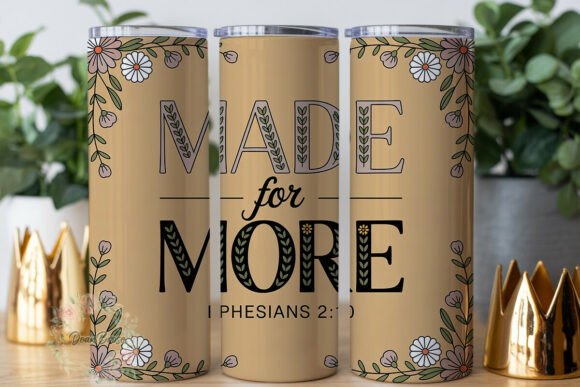
- Check Licensing: Since the design is intended for tumbler wraps and graphics, verify whether it permits commercial resale or digital product sales before using it in your shop.